Blocking Nuclear Translocation to Treat Cancer and Colitis
blocking_nuclear_import

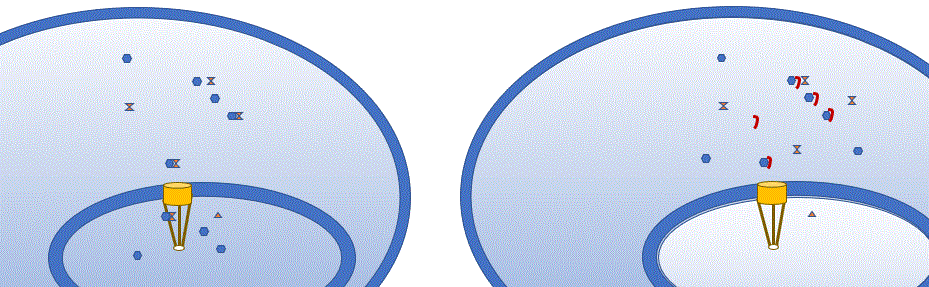
Many proteins have multiple roles. Often, the key to effective therapy is specificity. Not only does the treatment need to be specific for a particular physiological target, often a protein, but the therapeutic effects involve only a single function or subset of the target’s functions or needs to affect the target only within a specific … Read more
Secreted Kinases May Promote Malignancy

protein_secretion

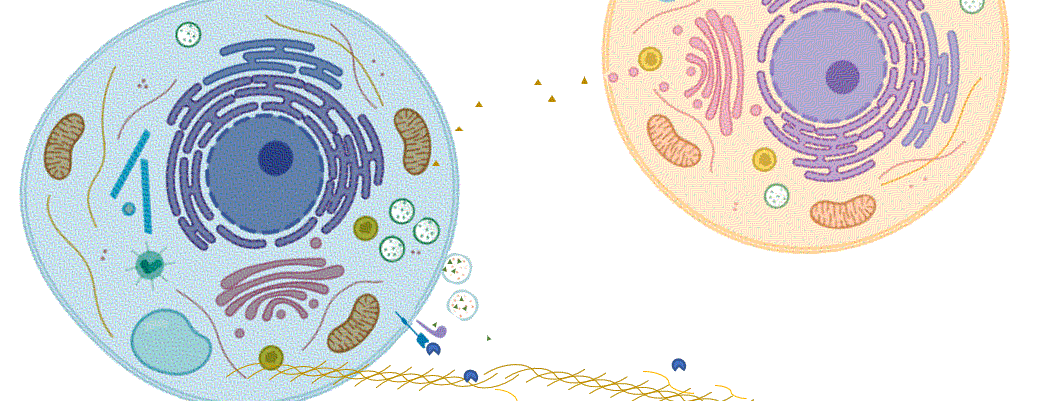
Protein kinases are enzymes that add phosphate groups onto specific amino acids on proteins. Most of these enzymes are active within cells. Kinases are often encoded by oncogenes, and aberrant activity of these regulatory enzymes is frequently associated with cancer. Data are emerging that kinases can also be released from cells. These secreted kinases can … Read more

SRC on the Outside

MMP2_activation

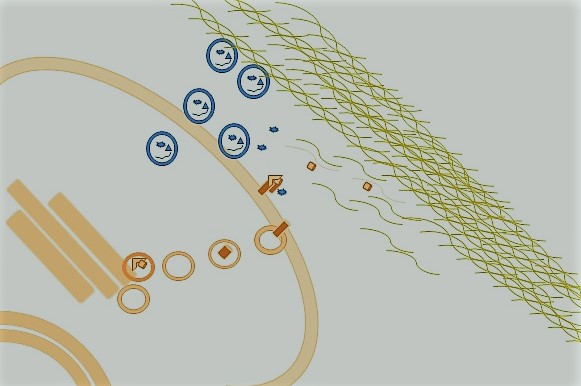
Secreted proteins or the parts of transmembrane proteins that are extracellular can be phosphorylated. DeRita and colleagues reported that the cytosolic tyrosine kinase c-SRC was one of several kinases released from prostate cancer cells in exosomes. Sánchez-Pozo and colleagues identified a cancer-relevant function for extracellular c-SRC: c-SRC functioned outside of cultured cells to regulate the … Read more

Cancer-Protective Bacteria Found on Human Skin

kids_beach

Researchers find that a bacterial species present on healthy skin produce a chemical that prevents skin cancer. Humans can be considered metaorganisms.  Our bodies includes billions of microorganisms.  There are microbes in the gastrointestinal (GI) system (referred to as the gut microbiome), on the skin, in the nose and eyes, and in the parts of … Read more

Intratumor Immunotherapy Kills Injected and Distant Tumors

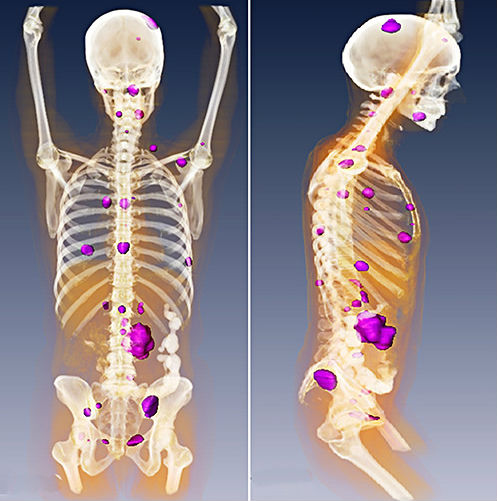
metastatic_cancer

Cancerous tumors must evade immune destruction to survive. They can achieve this by preventing the immune cells from gaining access to the tumor (“immune cold”) or by tipping the balance of immunoactivating and immunosuppressing signals toward immunosuppression. Immunosuppression means that, even if the immune cells penetrate the tumor, they cannot kill the cancer. The cytotoxicity … Read more