Soluble Amyloid Precursor Protein Signals to Neural Stem Cells
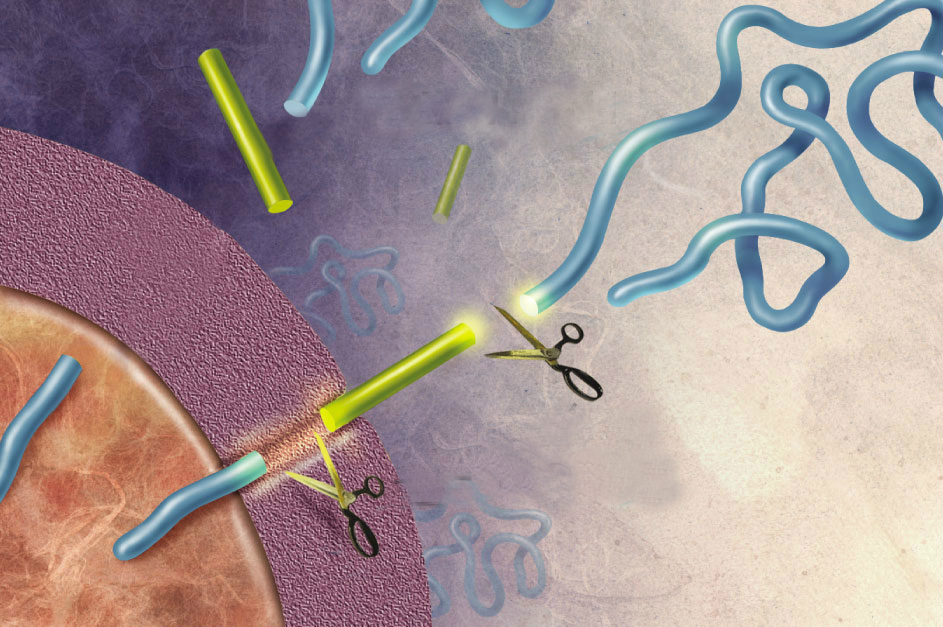
Amyloid precursor protein (APP) is best known as the protein that is cleaved to form the plaque-associated protein in the brains of Alzheimer’s patients. The APP gene encodes multiple alternatively spliced mRNA forms. The form that encodes a protein of 695 amino acids (APP695) is expressed in neurons. The transcript that encodes a 770 amino … Read more

Engineering the Immune System to Treat Diabetes

Type_1_diabetes

Some diseases arise because the immune system reacts with normal, healthy cells in the body. In other diseases, lack of an effective immune response contributes to the disease. Cancer cells escape attack by the immune system, in part, by producing a lot of the protein PD-L1 (Gough, 24 May 2017). PD-L1 binds and activates the … Read more

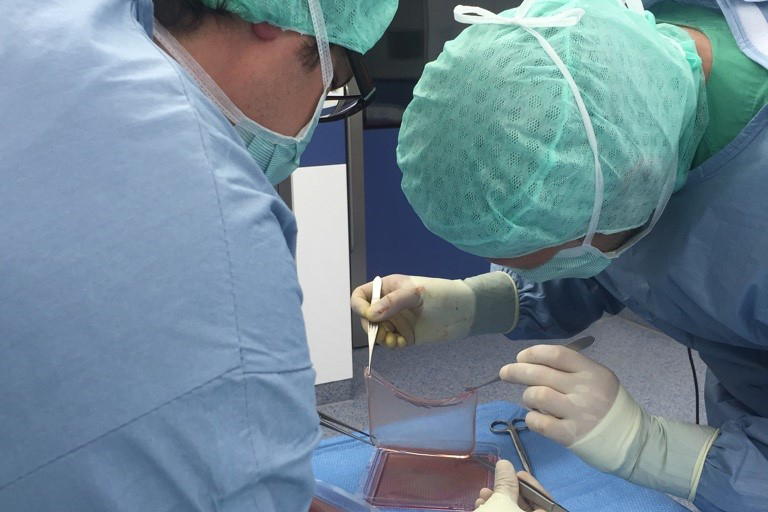
Virally Modified Cells Regenerate Normal Skin

Growing_skin_in_culture

Stem cells hold great promise for medical intervention. However, it has been difficult to leverage these cells effectively. In the study by Hirsch and colleagues, a collaboration between doctors and researchers saved the life of a child with a skin disorder called junctional epidermolysis bullosa (JEB). JEB is a genetic disease caused by mutations in … Read more

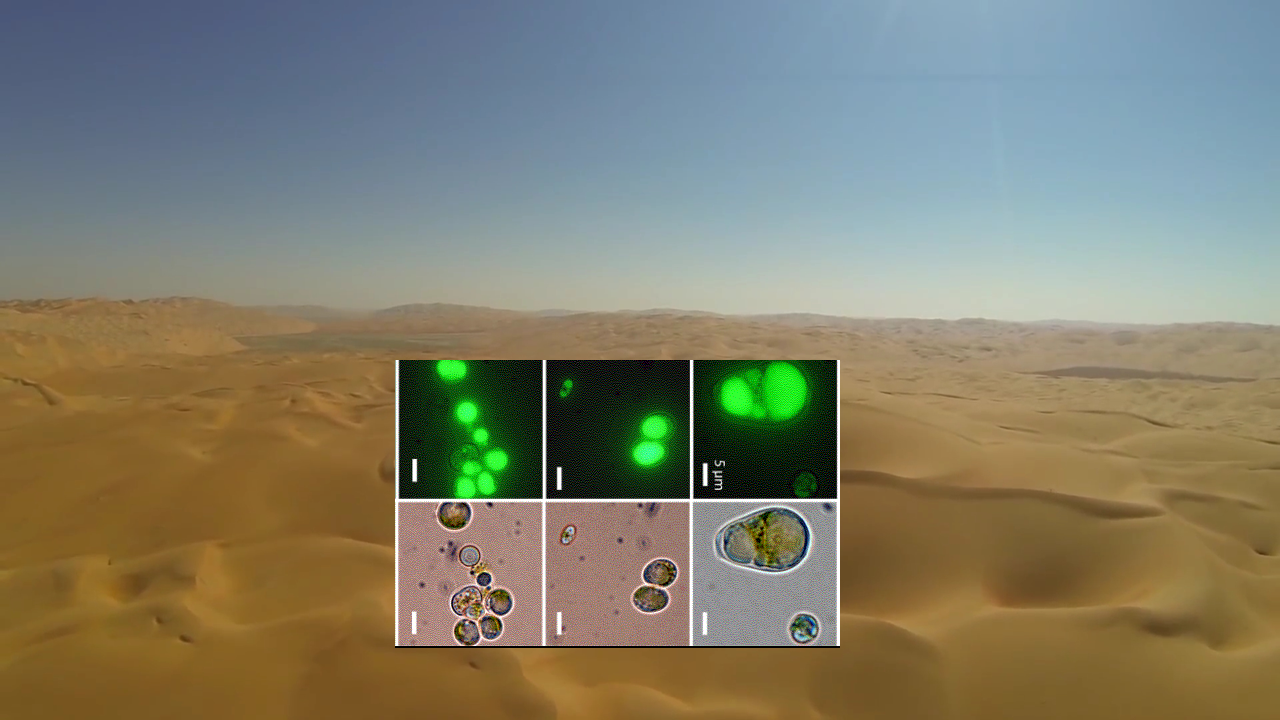
Desert Green Algae and Cyanobacteria for Synthetic Biology

desert_algae

Synthetic biology is the discipline of designing and then engineering artificial systems using biological components. The field of molecular biology and the ability to read the information encoded in DNA are critical to this technical discipline, which also relies on the principles of engineering, detailed knowledge of cell biology, and an understanding of chemistry. Synthetic … Read more

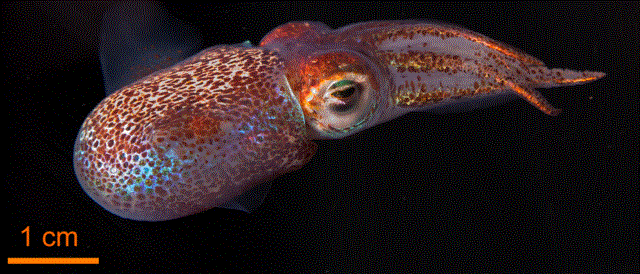
Challenges in Classifying Biology

Hawaiian_bobtail_squid

There are multiple ways to categorize nearly everything in biology. The value of an individual categorization scheme depends on the perspective of the user. As Shirley Malcom (former Director, Education and Human Resources Programs, AAAS) once said, “We [Biologists] are splitters not lumpers.” This need for classification makes consensus difficult, can limit our way of … Read more